
I always thought this space would hold stories—of life, of music, of family, and the small graces of finding our way together. I thought the hardest posts would be the ones I wrote when each of my parents passed.
I was wrong.
This is the post I never wanted to write.
It’s about Carmen.
It’s about disease.
And it’s about love, stubborn as a river, carrying us even now.
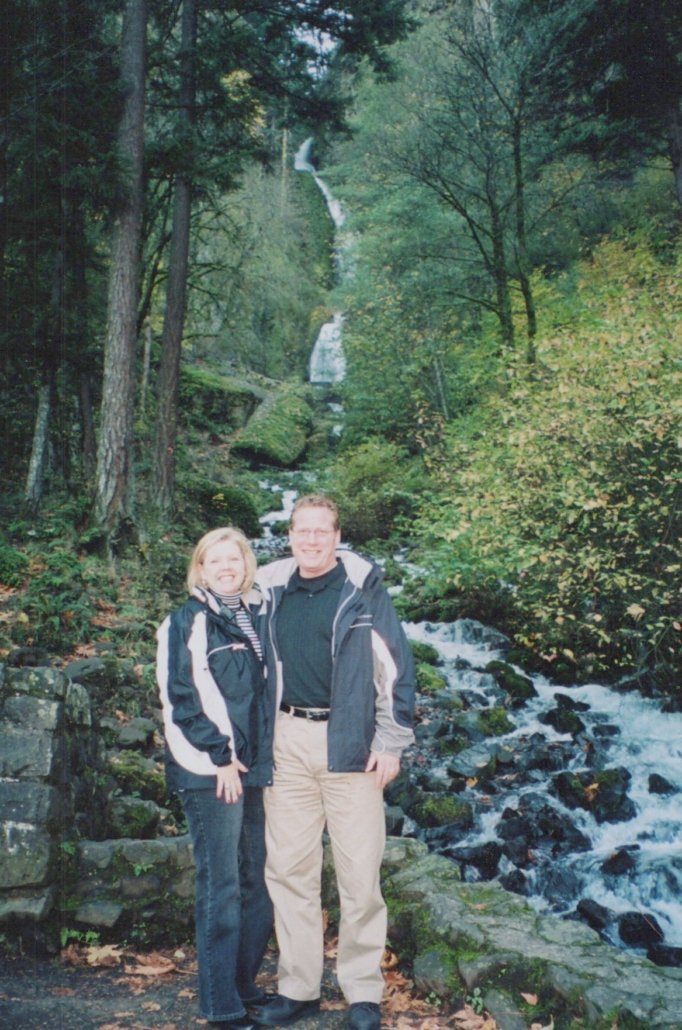
Carmen and I at Bridal Veil Falls — early in our journey together.
How We Got Here
For a long time, Carmen called it “the fishbowl.” Dizzy spells, balance that wobbled, handwriting that started to lean and stutter. We visited doctors who looked thoughtful and then not. Finally, someone said, “You need to go to the Cleveland Clinic or Mayo.”
We chose Cleveland.
A neurologist pulled up the MRI, leaned toward the screen, and said, “Your cerebellum impresses me.”
I tried to joke. “We don’t think we want her cerebellum to impress you.”
He shook his head. “No. You don’t.”
The words that followed arrived like hail: Multiple System Atrophy, cerebellar type (MSA-C). Degenerative. No treatment. No cure. Average timeline measured in years you can count on one hand, maybe both.
We rode home in silence that wasn’t empty, just heavy. You know the feeling if you’ve been there—the sound the soul makes when the floor drops out.
Since then, we’ve chased second opinions and third confirmations. We’ve learned new vocabulary we never asked for: rollator, autonomic, orthostatic, and anticipatory grief. We’ve learned how bodies can surprise you, even when you love them fiercely. We’ve learned to grieve in real time.
What Daily Looks Like Now
Carmen once crossed a room the way sunlight crosses a wall—quiet, sure, taking everything with her. Now she uses a rollator and footsteps that shuffle. We purchased a powered wheelchair for outings that require more steps than her body can handle.
Her voice—the one that used to sing through a room without trying—has a tinny edge now, syllables arriving in little bursts, breath paying a toll at every turn. Restaurants are hard. Parties harder. Phone calls require a kind of gymnastics the larynx didn’t sign up for.
She used to be our chef, the hostess who could coax a holiday into happening with nothing but flour, butter, and a list she wrote in that elegant hand I loved so much. Now the kitchen is a maze. The microwave is a mountain.
Then there are the invisible things: blood pressure that drops fifty points when she stands; temperature regulation that forgets its job. These are the quiet alarms we don’t like to talk about. They remind us what’s still to come.
And still—please hear me—she is here. She is Carmen. Grace in a human frame. Humor that keeps showing up. Dignity that refuses to yield the field.
Sacred Ordinary
We’ve always talked about sacred places—how holiness can be a cathedral, yes, but more often it’s a porch. These days, the sacred shows up at 5:30 p.m. on ours, when we drag two chairs into the soft light and call it cocktail hour. Lemonade or tonic for her most nights. It doesn’t matter. The ritual is the sacrament.
Grandkids swarm the house and bend the day toward joy. Carmen can’t chase a ball now, but she can play a rousing game of Uno. She can say yes to makeup sessions and TikTok cookie recipes. They orbit her like she is gravity—because she is. Little Hayden loves to ride “gamma’s car”—her wheelchair.
We binge-watch shows side-by-side. We sit with squirrels. We read old cards and the little notes couples write when the world still feels endless. We touch what time can’t steal.
Sacred isn’t loud.
Sacred is steady.
The Love Story I Didn’t Know I Was Writing
When I began the book that has become Uncharted Moments, I thought I was writing about Lewis and Clark—rivers, road miles, history’s big arc. Somewhere between Fort Clatsop and the stretch of the Natchez Trace near Hohenwald, Tennessee, I understood: I was writing about us. About the woman beside me with the unflappable kindness and the eyes that see both what is and what could be.
She isn’t my Sacagawea. She is — and always will be — my Lewis. The one with a compass lodged somewhere behind the ribcage, the one who would say “we proceed on” with a half-smile and mean it.
I used to say the river taught me how to listen. Carmen taught me how to arrive.
What I’m Learning as a Caregiver
I closed a business I loved. We traded the retirement we imagined—long flights, new stamps in the passport—for hallways and ramps and a different kind of itinerary. I help her into the car. I rub oil into her legs after a shower. I learn the choreography of pillboxes. I fold laundry at 10 p.m. and feel, strange as it sounds, lucky to be the one folding.
Love keeps changing its job description and then handing me a fresh badge. It is less about grand gestures and more about staying. Less about perfect words and more about the breath you take together on a Tuesday when the kitchen is quiet, and there’s a vase of grocery-store flowers trying their best.
There are hard days. Anger with no clean address. Tears that don’t explain themselves. The fear that comes at 3:17 a.m. and wants to explain everything.
But there is also this: we are here. We are not alone. Family shows up. Friends show up. Neighbors carry casseroles and joke about deer in the tomatoes. Nurses and therapists move through our lives like angels of mercy.
If you’ve been praying for us, texting, calling, bringing soup—thank you. You are holding a corner of the map.
Reading the Story More Fully
Years ago, while we were following the Lewis & Clark Trail, Gerard Baker’s voice at the Filson on Main turned our heads and hearts toward a wider story—one that didn’t erase heroism but insisted on context, cost, and a chorus of voices. That practice—of looking again, listening longer—has become a way of life here, too.
Illness wants to shrink the world to symptoms and schedules. We keep choosing to read the margins. To notice the parts that don’t fit neat lines. To honor the whole of a person, not just the chart.
Carmen is not her diagnosis.
She is the builder of a family that didn’t come by blood but by love.
She is the smile that made holidays ring.
She is the woman who, when I dragged us waist-deep into a stream for citizen-science training, looked up at passing teenagers in waders and said, “Be careful who you fall in love with—this could be you,” and then laughed like she’d just invented sunlight.
What I Ask (and What I Don’t)
I don’t have a list of action items. We’re not fundraising or campaigning. We’re learning to let people love us in practical ways and to say yes more often than our Midwestern instincts allow.
If you want to help, the best gift is presence—notes, stories, photos, a memory of Carmen being Carmen. Tell us the small thing you remember: the casserole she brought, the way she made your child feel seen, the time she quietly fixed something no one else noticed was broken. Those are the strands that braid a life.
And if you’re a caregiver or you love one, I see you. You are doing holy work in grocery aisles and waiting rooms. You are building cathedrals out of Tuesday afternoons. Keep going. Breathe. Ask for help. Say yes.
Confluence
There’s a fifteen-star, fifteen-stripe flag near my desk—the one Carmen gave me that flew over Fort Clatsop on my birthday. I look up at it when the house goes still. It feels like a kind of tenderness, mast and map both. It reminds me that the real expedition was never the miles under our wheels. It was the passenger seat beside me.
MSA-C is the terrain we never wanted to encounter. It is also not the whole country. The map is bigger than the diagnosis. There are porches still, and grandkid giggles, and movie nights where nothing much happens except that we are together and the lamp makes a soft circle on the rug.
We are navigating a stretch of river the charts call conjectural—the old word for places not yet fully known. The Corps of Discovery used it for gaps they’d fill in later. I like that. Not denial, just humility. A willingness to proceed without pretending certainty we don’t have.
So here we are. Proceeding. On.
If you pray, pray. If you remember, share. If you love us, keep doing what you’ve been doing. We’re grateful for every hand on the rope.
And if you’re reading this because you’ve been walking your own uncharted season: you’re not alone. The river knows the way. Love knows the way. Sometimes the bravest thing is to sit on the porch, hold the hand that has held yours, and let the evening light do what it does—turn the ordinary into something hallowed.
We proceed on.
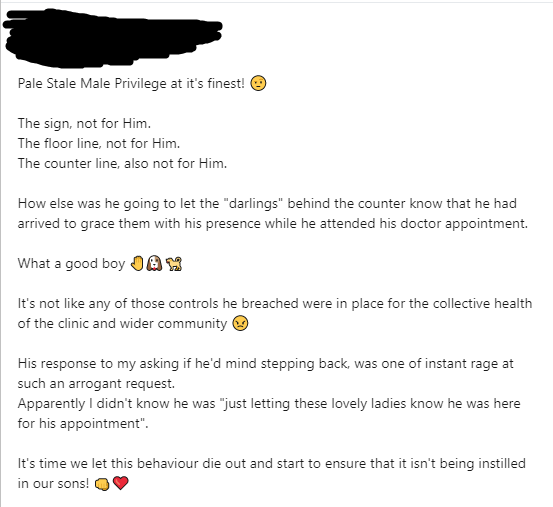
 For some, the title of this post will conjure up images of Sean Hayes’ character on the first iteration of Will and Grace, Jack McFarland, throwing both his hands up, palms forward to face-box himself and exclaiming, “
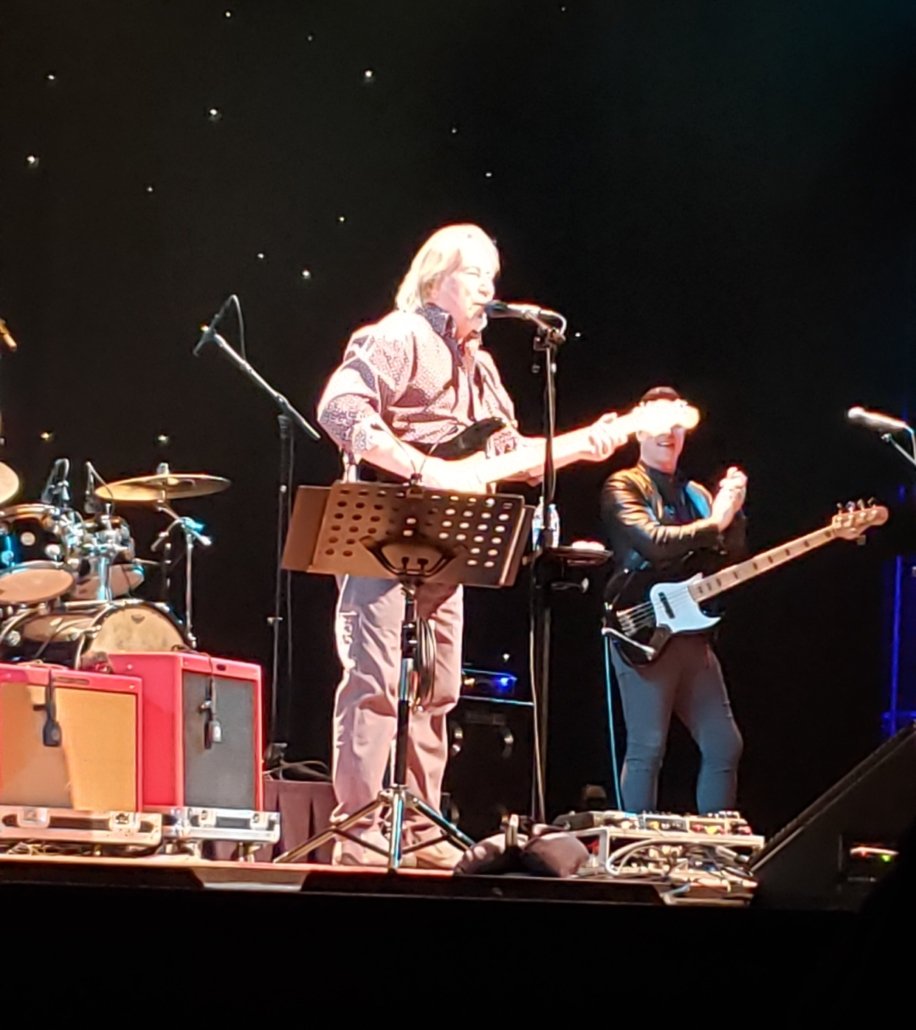
 They were a last minute Christmas gift…tickets to see Art Garfunkel. In fact, they were so last minute our seats were in the very last row, a row with only two seats, tucked way in the back of Orchestra Left. The concert was a month after Christmas. As it turned out, timing could not have been worse…or perhaps timing could not have been better.
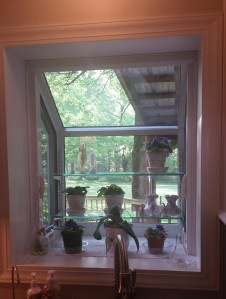 Divine Coincidence, the term an old friend of mine (thanks Melva) uses to describe those moments in life when the unexpected happens in an otherwise routine day. These might be moments of “small world-ness” (like flying to Paris, taking a train, bus, and taxi to an old castle, walking into the grand hall of the castle, and seeing someone you know from back home), or they might be moments of “
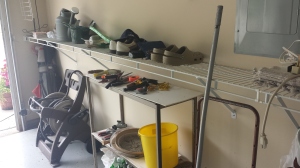 It came when I least expected. I can’t tell you how many times I have walked through that garage. Dozens? Hundreds? At that moment something caught my eye. I had seen it a million times, but had never given it more than a passing thought. What was that? Today, I had to know. I walked over and picked it up…WHAM! A 2×4 right between my eyes. Holy shit! Dazed, I staggered back,as I did…UMPHFFFFF! Jeeeeeeeezussss! A sucker punch right to the gut. It would be cliche to say, “life passed before my eyes”, nay, lifefroze before my eyes! As the moments passed, life did indeed pass before my eyes…but it wasn’t my life.
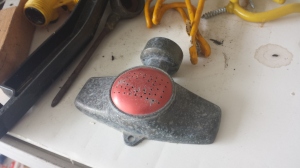 no longer able to care for the house, I said. He is no longer able to care for himself, I said. He cannot live alone anymore, I said. It is the right thing to do, I said.